




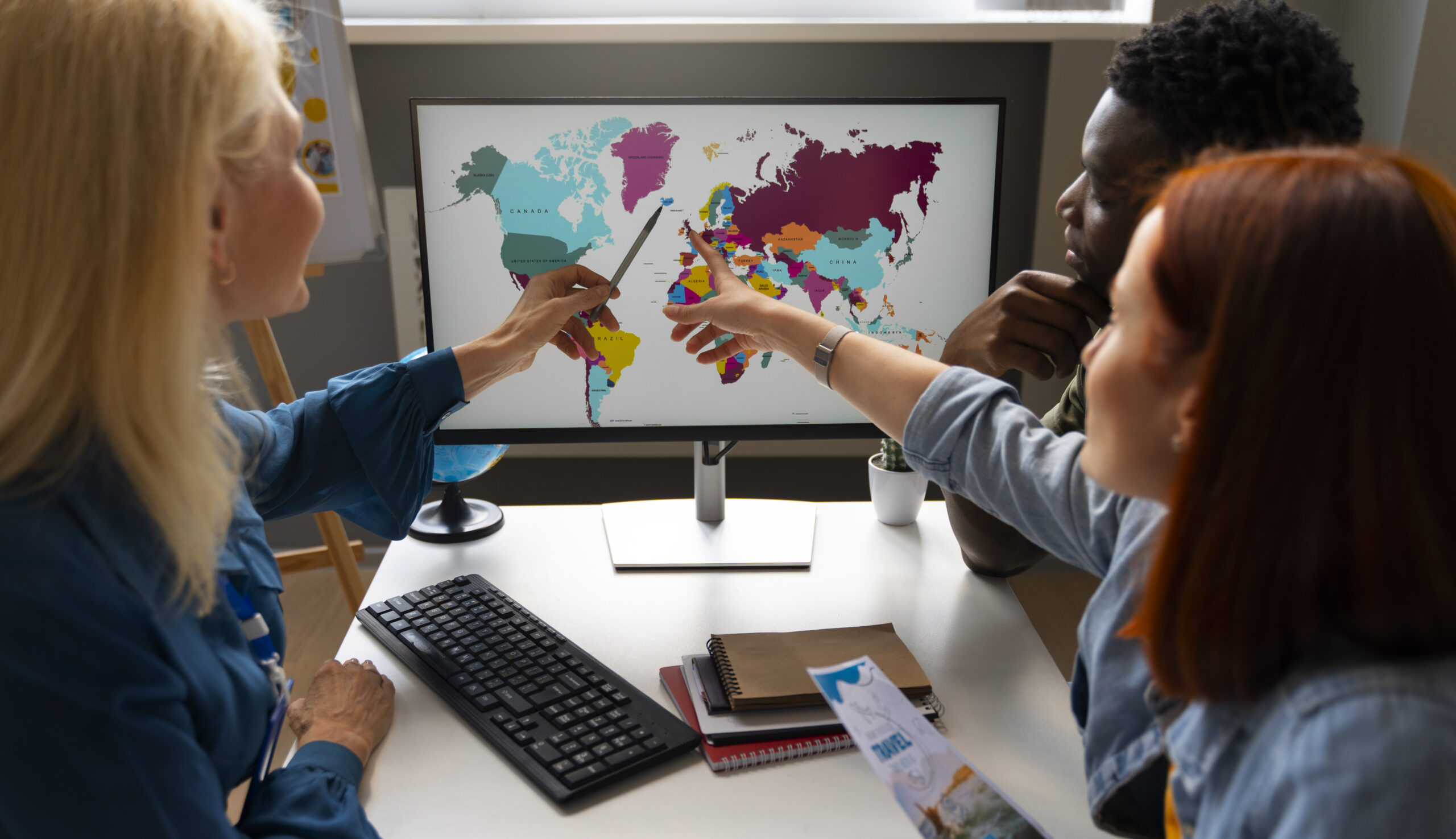
How Does the Import-Export Process Work Internationally?
In today’s global economy, businesses are no longer limited to domestic markets. Products, raw materials, and finished goods move across borders to meet global demand. As a result of the international import-export system that forms the backbone of international and international trade, this movement is possible. It is the import-export ecosystem that allows countries to participate actively in worldwide commerce, from agricultural products and food items to industrial materials and ceramics.
Import and export businesses must understand how international trade works to succeed. Buying and selling products is just one component of the process; it also involves market research, compliance, licensing, logistics coordination, documentation accuracy, and relationship management. By combining these elements efficiently, businesses can scale operations and participate confidently in international trade.
Why the Import-Export Process Is Critical in Global Business?
International trade allows countries to maintain a balance between supply and demand while creating economic opportunities. A business can expand into new markets, a buyer can purchase better products, and a supplier can scale production beyond local requirements.
Import-export processes are critical for the following reasons:
-
- Enabling cross-border movement of export and import products
-
- Providing support for global supply chains and manufacturing
-
- Creating employment through import-export jobs
-
- Helping businesses expand their global business footprint
Without a structured import-export system, international commerce would be unpredictable and inefficient.
How the International Import-Export Process Works
Import-Export processes follow a structured flow to make sure goods are transported safely and legally. Exporters identify products with overseas demand, while importers analyze suppliers’ quality, pricing, and reliability.
In order to coordinate with suppliers, buyers, freight partners, and authorities, an experienced import-export company is necessary. It applies to both traditional trade models and online import-export businesses, where transactions and communications are conducted electronically.
Import-export operations require accuracy and compliance at every stage to avoid delays and commercial risks.
Product Selection and Global Market Demand
In order to run a successful export or import business, it is essential to select the right product. Regulatory requirements, demand patterns, and pricing trends are all based on market research and import-export data.
India has emerged as a reliable India supplier across multiple industries. Some of the most in-demand categories include:
-
- Import-Export of food products
-
- Agricultural commodities and processed foods
-
- Ceramic export and ceramic import
-
- Industrial goods and construction materials
-
- Raw materials are exported from India
These categories continue to rank among the top export products in India, making India a preferred global supplier for international buyers seeking consistency and scale.
Legal Compliance and Import & Export License
Legal compliance is mandatory in the import-export industry. Businesses must obtain an import or export license to engage in international trade.
This license is important because it:
-
- Authorizing companies to operate in the international export and import markets
-
- Ensure compliance with trade regulations
-
- Build credibility with customs authorities and buyers
-
- Reduces the risk of shipment delays or penalties
Many companies depend on professional import-export services to manage licensing, renewals, and regulatory updates efficiently.
Logistics, Shipping, and Customs Clearance
Logistics is one of the most critical stages of export-import. Once goods are ready, they must move through ports, shipping lines, and customs authorities before reaching their final destination.
Key elements of international logistics include:
-
- Shipment planning and container allocation
-
- Coordination with freight forwarders
-
- Customs inspection and clearance
-
- Duty assessment and port handling
-
- Final delivery to buyer locations
Businesses benefit from effective logistics management by maintaining timelines, controlling costs, and strengthening their reputation in global markets.
The Importance of Documentation in International Trade
In the import-export process, documentation accuracy is of utmost importance. A delayed shipment, financial loss, or rejection of cargo may result from incomplete or incorrect paperwork.
Essential trade documents include:
-
- Commercial invoice and packing list
-
- Transport and insurance documents
-
- Certificates are required by importing countries
-
- Inspection and compliance records
Documentation accuracy ensures the transparency and trust of export-import transactions and facilitates the smooth process of customs.
India’s Role in Worldwide Trade
Several of India’s products are exported to the global market, playing an important role in global trade. India is a leading exporter due to its manufacturing capabilities, agricultural output, and competitive pricing.
International buyers look for:
-
- India’s best export and import business
-
- Get access to the best Indian exports
-
- India’s best products are consistently sourced
-
- Partnering with scalable exporters on a long-term basis
With this growing demand, companies are increasingly interested in identifying the largest exporters in India and exploring sustainable sourcing strategies.
Digital Growth of Import-Export Businesses
In recent years, technology has revolutionized the way imports and exports are conducted. Digital platforms enable businesses to manage sourcing, documentation, and shipment tracking.
By conducting import and export business online, companies can:
-
- Become a global buyer or supplier
-
- Real-time analysis of import-export data
-
- Track shipments digitally
-
- Communication and transparency should be improved
With the advent of the best import-export website platforms, international trade has become more accessible to small and mid-sized businesses.
Business Opportunities in Import and Export
Companies and investors can benefit from multiple growth opportunities provided by export-import businesses. While some companies focus on niche export and import products, others search for acquisitions such as import-export businesses or import-export businesses.
Common opportunities include:
-
- Expanding into existing international markets
-
- Developing innovative import-export business ideas
-
- Scaling bulk trade operations
-
- Building long-term buyer-supplier relationships
It is possible to deliver consistent global growth through the use of the best import-export business models with proper planning and compliance.
Conclusion
An international import-export process facilitates the smooth flow of goods across borders and supports international trade. Each stage of successful global business operations plays a critical role, from product selection to licensing, logistics, documentation, and digital trade.
Businesses that understand and manage this process effectively are better positioned to reduce risk, build trust, and scale in competitive worldwide trade markets. Companies can achieve long-term success in the export-import business landscape with the right strategy, compliance discipline, and reliable partners.

Abhi - Dialexportmart
March 11, 2026 8:33 amGreat article. Import export business is growing rapidly in India. Many exporters also use B2B platforms like Dial Export Mart to connect with international buyers.
How Foreign Buyers Can Safely Import From India In 2026?
March 17, 2026 6:29 am[…] protection is essential to any import and export business. Currency exchange, banking systems, and documentation exchange are necessary for international […]