




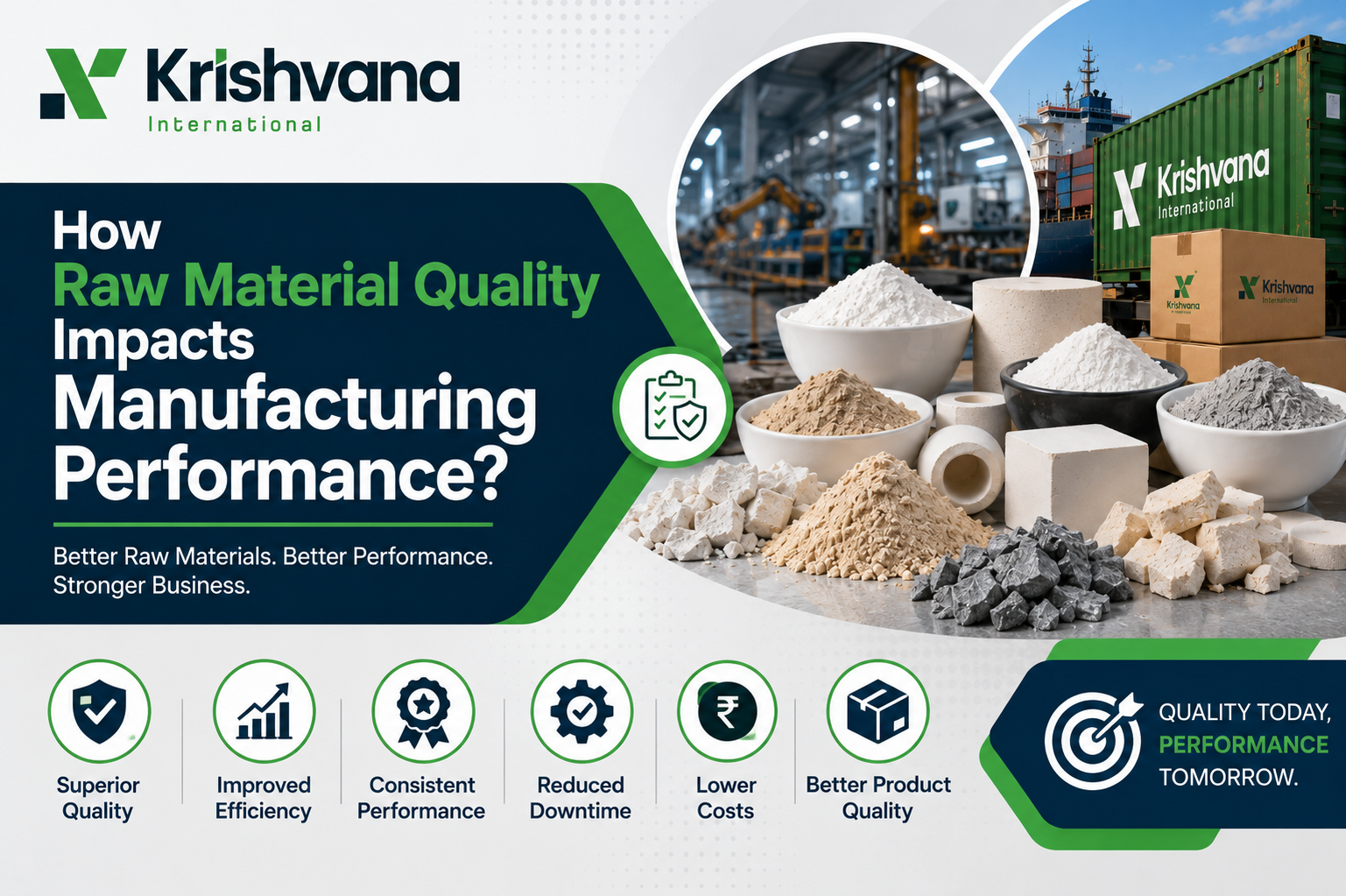
In today’s competitive industrial landscape, manufacturers constantly seek ways to improve efficiency, reduce costs, and deliver superior products. While advanced machinery, automation, and skilled labor are crucial components of production, one factor often determines the success or failure of the entire manufacturing process: Raw Material Quality.
The quality of materials used at the beginning of production directly affects the consistency, durability, functionality, and overall value of the finished product. Maintaining high raw material quality is essential for long-term success in ceramics, construction, automotive manufacturing, electronics, food processing, and industrial production.
The companies that prioritize raw material quality often have fewer production issues, greater customer satisfaction, and greater market competitiveness. On the other hand, poor material selection can result in defects, production delays, increased waste, and significant financial losses.
Why Raw Material Quality Matters in Manufacturing?
The foundation of every successful product starts with excellent raw material quality. No matter how sophisticated the production equipment is, poor-quality materials can compromise the outcome.
Manufacturers rely on raw materials to meet specific performance standards. When materials fail to meet these requirements, the production process becomes less efficient, and product consistency suffers.
Key Reasons Raw Material Quality Is Important
- Improves product durability and reliability
- Reduce production defects
- Enhances customer satisfaction
- Supports regulatory compliance
- Improves operational efficiency
- Reduces manufacturing waste
- Strengthens brand reputation
Impact on Product Consistency
Consistency is one of the most important goals of modern manufacturing. Customers expect products to perform exactly as they promised. Raw materials of high quality ensure that every batch of production meets established specifications and quality standards.
For example, in ceramic manufacturing, variations in mineral composition can affect color, strength, and surface finish. Similarly, in industrial manufacturing, inconsistent materials can lead to performance failures and increased product returns.
By maintaining strict Material Quality Standards, manufacturers can achieve predictable outcomes and reduce costly production variations.
How Raw Material Quality Affects Production Efficiency?
Production efficiency depends heavily on the quality of incoming materials. High-quality materials flow smoothly through the manufacturing process, while substandard materials often create bottlenecks and disruptions.
When manufacturers receive materials that meet exact specifications, machines operate more efficiently, downtime is reduced, and production schedules remain on track.
Common Problems Caused by Poor Materials
- Increased Machine Wear
Inferior materials may contain impurities or inconsistent properties that stress production equipment.
- Higher Rejection Rates
Products manufactured with poor materials fail quality inspections, leading to increased waste and rework.
- Production Delays
Unexpected material issues can disrupt operations, leading to missed deadlines and delayed deliveries.
- Increased Operational Costs
Poor-quality inputs often require additional labor, testing, and corrective actions, significantly increasing manufacturing expenses.
Businesses that focus on quality raw materials can improve their production efficiency, reduce operational risks, and maintain a stable level of production.
The Connection Between Raw Material Quality and Product Quality
There is a direct relationship between Raw Material Quality and the final quality of manufactured products. Every characteristic of a finished product, including strength, durability, appearance, and performance, is influenced by the materials used during production.
How Quality Materials Improve Product Performance
- Enhanced Durability
Products manufactured with premium materials last longer and perform reliably under demanding conditions.
- Better Structural Integrity
Maintaining consistent material properties reduces the likelihood of failure and maintains the strength of the product.
- Improved Customer Satisfaction
Customers notice product quality differences. Positive reviews, repeat purchases, and long-term trust are generated by reliable products.
- Reduced Warranty Claims
When manufacturers use superior materials, product defects decrease, reducing warranty costs and customer complaints.
Businesses that prioritize Product Quality in Manufacturing understand that superior products begin with superior materials. Investing in quality materials generates substantial long-term returns.
The Role of Quality Control in Raw Material Management
Effective raw material quality control prevents manufacturing problems before production begins. Quality control systems verify that incoming materials meet established specifications and performance requirements.
To assess the composition, purity, dimensions, moisture content, and other critical characteristics of materials, manufacturers implement inspection procedures.
Essential Quality Control Practices
- Supplier Qualification
Raw Material Quality begins with selecting reliable suppliers.
- Material Testing
Testing verifies materials meet standards before production.
- Documentation and Traceability
Manufacturing companies can identify material sources and track quality performance over time with accurate records.
- Continuous Monitoring
Ongoing evaluation helps detect quality issues before they impact production.
Strong Quality Assurance in Manufacturing programs creates confidence throughout the supply chain and helps organizations maintain high standards across all operations.
How Raw Material Selection Influences Manufacturing Success?
Choosing the right materials is one of the most important decisions a manufacturer can make. Even when production systems are highly advanced, poor material selection can negatively impact product performance, production costs, and customer satisfaction. This is why Raw Material Quality should always be a top priority during sourcing and procurement.
Manufacturers must evaluate materials based on multiple factors, including composition, purity, consistency, durability, and compliance with industry standards. Choosing materials solely based on lower prices may provide short-term savings, but it often leads to higher costs in the long run.
Factors to Consider During Material Selection
- Material Consistency
Consistency ensures that every production run performs similarly. High raw material quality helps manufacturers maintain predictable production outcomes and minimize variations.
- Supplier Reliability
Working with trusted suppliers ensures continuous access to Industrial Raw Materials that meet required specifications. Reliable suppliers often implement strict quality management systems that support manufacturing success.
- Compliance with Standards
Industries such as ceramics, construction, pharmaceuticals, and food manufacturing require materials that meet specific regulations and standards. Consistent raw material quality helps manufacturers remain compliant and avoid legal or operational issues.
- Performance Requirements
Different products require different material properties. Manufacturers must carefully assess whether materials can withstand the intended operating conditions and deliver the desired performance.
Organizations that focus on strategic sourcing and material evaluation often experience improved manufacturing quality, stronger product performance, and reduced operational risks.
The Benefits of Investing in High-Quality Raw Materials
Many businesses view quality materials as an expense, but they are actually long-term investments. Companies that consistently prioritize raw material quality gain significant competitive advantages in the marketplace.
High-quality materials support smoother production operations, stronger products, and better customer experiences. They also contribute to long-term profitability by reducing waste and improving operational efficiency.
Major Benefits of Quality Materials
- Reduced Manufacturing Waste
Materials of poor quality are often the cause of defects, rejected products, and excess scrap. The use of high-quality raw materials minimizes waste and maximizes the use of resources.
- Better Production Efficiency
Reliable materials move smoothly through production systems and reduce interruptions. As a result, manufacturers are able to meet deadlines and increase production efficiency.
- Improved Product Reputation
Products made with superior materials satisfy customer expectations and strengthen brand credibility.
- Lower Maintenance Costs
By using consistent materials, equipment, and machinery is subjected to less stress, resulting in fewer maintenance requirements and fewer unexpected breakdowns.
- Increased Customer Retention
Customers are more likely to remain loyal to brands that consistently deliver reliable, high-quality products.
Long-Term Competitive Advantage
Often, businesses that maintain strong Material Quality Standards outperform their competition due to their superior products and increased reliability. Competitive advantages can lead to better customer relationships, increased market share, and sustainable growth.
The need to maintain exceptional raw material quality has become a critical business requirement as global markets become increasingly competitive.
Best Practices for Maintaining Raw Material Quality
Keeping raw material quality consistent throughout the supply chain requires a proactive approach. The most successful manufacturers implement comprehensive systems designed to monitor, evaluate, and improve the quality of the materials throughout the manufacturing process.
Best Practices Manufacturers Should Follow
- Establish Strong Supplier Partnerships
Transparency, consistency, and accountability can be improved by building long-term relationships with trusted suppliers. Suppliers who understand quality expectations are more likely to deliver materials that meet standards.
- Conduct Regular Material Testing
Routine testing identifies potential issues before production begins. The testing procedure should be designed to verify purity, composition, performance characteristics, and compliance with specifications.
- Implemented Incoming Material Inspections
Every shipment should be inspected before acceptance. This step prevents defective materials from entering the manufacturing process.
- Use Data-Driven Quality Management
Modern manufacturers increasingly use digital monitoring systems to monitor material performance and identify quality trends. These systems support continuous improvement initiatives and strengthen Raw Material Quality Control processes.
- Train Employees on Quality Standards
Employees involved in procurement, inspection, and production should understand the quality requirements and be trained to identify potential issues.
- Continuously Improve Quality Processes
Manufacturers should regularly review their quality procedures and supplier performance to ensure ongoing improvements.
In organizations that adhere to these best practices, raw material quality is maintained at a high level. As a result, they improve operational performance and consistently provide superior products to their customers worldwide.
Conclusion
A successful manufacturing process begins with the quality of raw materials. Raw materials quality impacts every stage of the manufacturing process, from production efficiency to cost management to product durability to customer satisfaction.
By placing a high priority on raw material quality, businesses benefit from improved product quality, stronger manufacturing quality, reduced waste, enhanced operational efficiency, and greater customer loyalty. Materials of poor quality may cause production delays, increased costs, equipment malfunctions, and product failures.
Manufacturers need to view Raw Material Quality as a strategic investment rather than a simple purchase decision, as industries change and customer expectations rise. Companies that have implemented strong quality control measures, worked with reliable suppliers, and maintained strict Quality Assurance in their manufacturing processes can achieve long-term growth and sustained success.
Raw Material Quality is one of the most important drivers of manufacturing performance and business excellence, as superior products begin with superior materials.
Frequently Asked Questions (FAQs)
1. Why is raw material quality important in manufacturing?
Raw material quality directly affects product performance, durability, consistency, production efficiency, and customer satisfaction. High-quality materials help manufacturers reduce defects and improve product quality.
2. How does Raw Material Quality affect product quality?
The properties of raw materials determine the strength, appearance, reliability, and functionality of finished products. Better materials generally produce better products.
3. What is Raw Materials Quality Control?
Raw Material Quality Control refers to the processes used to inspect, test, and verify incoming materials before production. These procedures help ensure quality standards compliance.
4. How can manufacturers improve the quality of raw materials?
Manufacturers can improve raw material quality by working with trusted suppliers, conducting regular testing, implementing inspection programs, and maintaining strict quality management systems.
5. What are the benefits of high-quality raw materials?
Benefits include improved product performance, reduced waste, lower production costs, better customer satisfaction, enhanced brand reputation, and increased operational efficiency.
6. How do quality raw materials improve manufacturing efficiency?
Quality raw materials reduce machine downtime, minimize production errors, decrease rejection rates, and support smoother manufacturing processes. This leads to greater productivity and profitability.
